

Their predictions proved accurate. Purdue Pharma’s big-budget campaign promoting OxyContin as “safe” had worked exactly as intended. The two sons are among the hundreds of thousands of deaths linked to such drugs—part of what is widely considered the worst addiction epidemic in American history, which began in the 1990s and continues today.
“This company that put profits over people for decades is now shut down forever.”
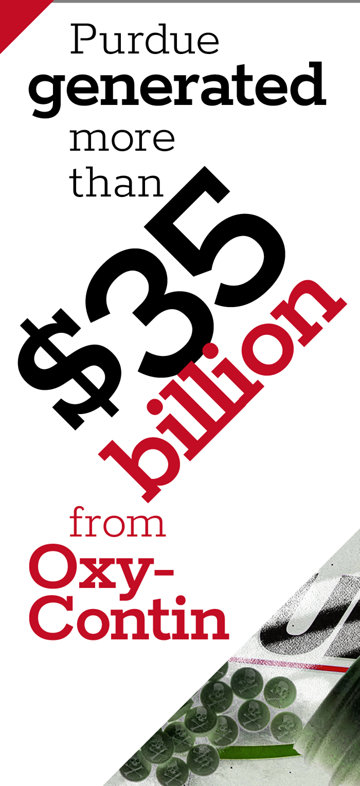
Purdue sat at the center of the crisis, driving it forward—first by innovating, then by aggressively promoting OxyContin while withholding information about its addictive risks. Despite knowing the dangers, the company incentivized doctors with cash bonuses, free trips and event invitations to keep prescriptions flowing. The company ultimately generated more than $35 billion from the drug.
As one mother who lost her son put it, “Purdue Pharma marketed OxyContin to physicians as safe. Actually, it is nothing but legalized heroin.”
Now, as of May 1, Purdue Pharma has shut down for good.
The closure comes as part of a sweeping $7.4 billion settlement, struck after Purdue and its owners, the Sackler family, faced a barrage of lawsuits from victims and states seeking accountability for the lives they destroyed.
“Under the Sacklers’ control, Purdue developed, manufactured and then misleadingly marketed its deadly opioids, destroying lives and communities across the country,” New York Attorney General Letitia James said. “This company that put profits over people for decades is now shut down forever.”
Just days before the shutdown, on April 28, a New Jersey federal court ordered Purdue to pay criminal penalties totaling over $5 billion for its role in fueling the opioid epidemic.
Now, under the terms of the settlement, Purdue has been transformed into a new public benefit corporation called Knoa Pharma, operated by a nonprofit foundation. Completely separated from the Sacklers, the company will still manufacture medications—including opioids—but only under the supervision of an independent monitor and with a strict ban on lobbying or promoting the drugs. According to officials, all profits will go to state, local and tribal governments to help repair the damage caused.
“Knoa Pharma’s unique model ensures that the company’s resources directly support public health,” Dr. Paul Rothman, chair of the Knoa Foundation’s board of trustees, said in a statement, adding the company “is committed to providing care and saving lives most affected by the opioid crisis.”
For Lynn Wencus and Ellen Isaacs, the scar tissue from the loss of their sons will never heal. Lynn says, “There’s no amount of money that is going to bring my son back. However, for his legacy, I would like to see this money go to treatment. And I would like to hope that if we could save even one life, it would be worth it.”
But she adds, “Do I want to see them rot in hell? Absolutely.”