

According to podcaster and health influencer Mikhaila Peterson, experiences like this persisted for over two years after she stopped taking the SSRI Lexapro.
Mikhaila was visibly emotional as she chronicled her withdrawal in an April 18 YouTube video.
“There were days when the only thing that felt soothing was wrapping my arms around me … and rocking back and forth to try to calm down, or stamping my feet or shaking my hands,” she said. “Everything I saw was pixelated. I couldn’t see color properly. I felt like I was in the Upside Down in the show Stranger Things.”
The torment is so great it drives some to the point of suicide.
The hellscape she described resonated instantly. Within 48 hours, the video had received more than half a million views, 10,000 comments and substantial media coverage.
Mikhaila’s struggle paralleled that of her father—an author and media commentator suffering from severe neurological damage as well as akathisia, a side effect of psychiatric drugs that causes intense inner restlessness, distress and the inability to remain still. The torment is so great it drives some to the point of suicide.
Mikhaila herself had been on Lexapro for 11 years before quitting the drug. At first, she thought the withdrawal symptoms she endured were her worsening mental state rather than the notoriously devastating effects of coming off of a psychiatric drug.
Then the comment section erupted.
People described being blindsided—never warned about the risks, wholly unprepared for the agony of withdrawal from antidepressants and benzodiazepines. One wrote it had “destroyed my brain,” adding that after seven years off the drug, “I still only sleep 3–4 hours a night. I have NO short-term memory, no ability to multitask, horrible balance, can’t drive, constant crying and blowing up over any tiny thing.”
Healthcare workers weighed in, describing troubling effects firsthand. One called the skyrocketing rates of prescriptions “terrifying.”
Another, a psychiatric nurse, said she could no longer continue administering these drugs in good conscience and, as a result, left the profession.
Commenter after commenter shared crippling experiences—“horrific,” “my body has felt on fire all day every day,” “truly hell on earth.”
The common thread to the harrowing experiences was that there was little acknowledgment from psychiatrists that what was happening had anything to do with the drugs themselves. Many people wrote of the crucial need for awareness and accountability.
As one put it: “Please scream it from the rooftops. We need help!”
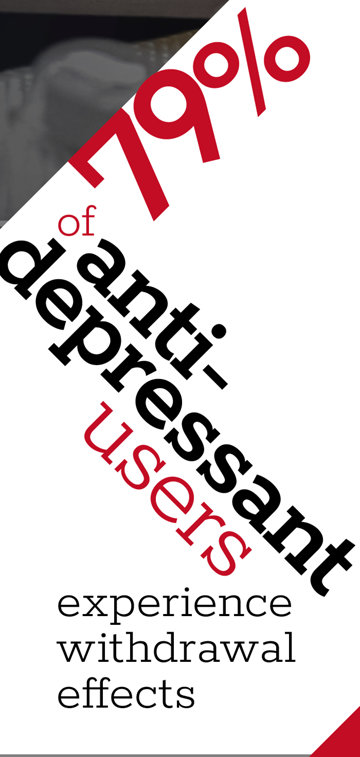
About 79 percent of antidepressant users experience withdrawal effects. Over 40 percent of benzodiazepine users say their symptoms last more than a year.
And, with one in six Americans on psychiatric drugs—some of them children as young as 3—millions are being tortured by drugs they were promised would cure them.
Given all this, it’s no wonder that Mikhaila’s video opened floodgates that psychiatry and Big Pharma have spent untold millions trying to keep shut.
The mental health monopoly profits from nearly $50 billion a year in sales of these drugs, fueling a global psychiatric industry valued at over $400 billion.
Mikhaila, in her introduction to the video, writes: “Neurological injuries from psych meds are far more common than people know. I made this video to explain what they are and what akathisia is because they’re not talked about enough. They’re misdiagnosed, nearly impossible to treat and hidden by the pharmaceutical industry.… I will be jumping up and down about psych med injury awareness from now on, as it’s impacted my health as well, and is devastating.”
Her new website, Prescribed Harm, provides information, peer-reviewed studies and hope.
As she writes, “The research is here. The citations are here. The science is not controversial—it is ignored.”
But thanks to voices like hers—and the thousands now speaking out—it’s being forced into the open.